

Listening Beyond Words: What Animals Teach Us About Connection
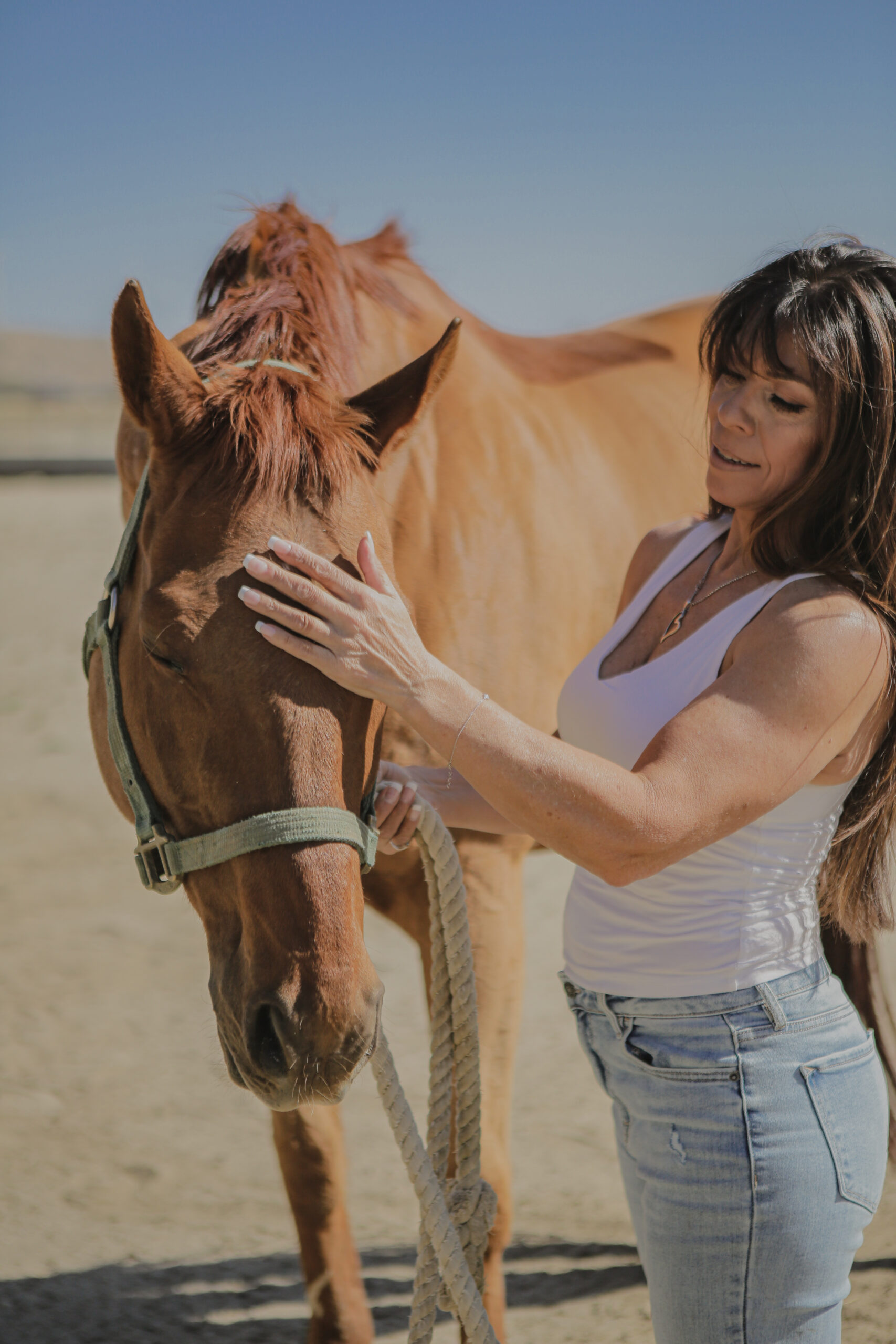
Some of our clearest communication contains no words. Michelle Beltran reflects on her pony Suzy and canine partner Kilo, sharing a practical way to notice before interpreting.
Have you ever sat beside an animal and felt that something meaningful was being communicated, even though neither of you said a word?
A shift in attention. A change in posture. A moment of stillness. An invitation to come closer—or a preference for a little more space.
These moments ask something of us: attention.
When we become willing to notice before explaining, we create room for a deeper kind of connection. We also practice a skill that matters in intuitive development: recognizing the difference between what we observe and what we make it mean.
Recently, I found a photograph of my brother and me with our childhood pony, Suzy. It brought me back to the animals who were part of our lives long before intuition became something I formally studied and taught.
Looking at that photograph, I see a personal history of connection. Animals have been part of different chapters of my life, each offering a reason to pay attention in a different way.
Years later, that connection became a partnership with Kilo.
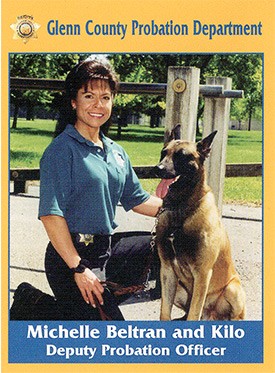
During my work as a probation officer and K-9 handler, my canine partner was Kilo, a Belgian Malinois trained in narcotics detection.
I wrote about our work in an article called “The Nose Knows.” Kilo was a passive-alert dog: when he detected the odor he had been trained to locate, his response was to sit.
That was a specific, trained signal. My responsibility was to recognize it.
Our relationship also nourished my love of animals and the connection we can share with them. Working together brings attention into focus. You give direction, but you must also be available to receive information.
What is happening now? What has changed? What do I actually know, and what am I assuming?
Those questions reach far beyond a working partnership. They belong in our everyday relationships and in the way we approach our inner awareness.
Imagine an animal you know well suddenly turns toward a doorway. Their ears shift, and their body becomes still.
You might immediately think, “Something is wrong.”
But pause for a moment. What did you observe?
The animal turned. Their ears moved. Their body became still.
“Something is wrong” is an interpretation. Perhaps they heard a familiar person approaching. Perhaps a sound caught their attention. You may not yet know.
Allowing that uncertainty gives you room to keep noticing.
This is also useful when an intuitive impression arrives. You may experience a word, an image, a sensation, or a feeling. Before building an explanation around it, record the impression as simply as you can.
You can be curious without deciding immediately. An impression can become something you explore rather than a conclusion you need to defend.
Consider how you arrive in an interaction.
Are you rushing? Looking at your phone? Asking for connection while thinking about the next task?
Sometimes the first step is small: soften your shoulders, take an easy breath, and give your attention to what is in front of you.
With an animal, that might mean allowing them to approach in their own time. It might mean noticing when they turn away and giving them space. Connection includes respect for another being’s preferences.
The same care belongs in human relationships. If someone seems quieter than usual, you can notice the change and ask a gentle question. Their quietness alone does not tell you what they are thinking.
Attention opens a conversation. Curiosity keeps it open.
Choose an ordinary moment with an animal you know. Observe from a comfortable distance, without trying to prompt a particular response.
Notice posture, movement, attention, and the surroundings. Notice your own response, too.
Afterward, make three brief entries in a journal:
Separating these entries helps you recognize where observation ends and interpretation begins.
Revisit your notes over time. You may recognize familiar patterns or discover that an early explanation was incomplete. Both offer an opportunity to learn.
You can practice attention even when there is no animal nearby.
Notice one sound. Then one color, texture, or movement. Finally, notice a sensation in your body.
Give each a moment without searching for a message or forcing an explanation.
This brief pause draws on my teaching about sensory field trips: deliberately engaging the senses and becoming more available to what you perceive.
The practice is simple. Its value comes from returning to it.
The photograph with Suzy and the trading card of Kilo and me hold very different chapters of my life. Both bring me back to connection.
Who—or what—has taught you to listen more carefully?
Where might a little less directing and a little more observing make room for something meaningful?
You don’t have to explain every moment to honor it. Sometimes the beginning is simply to notice, stay curious, and allow understanding to unfold.
For a personal reflection and a guided listening practice, join me on The Intuitive Hour for “Listening Beyond Words: What Animals Teach Us About Connection.” Find the episode on my podcast page.
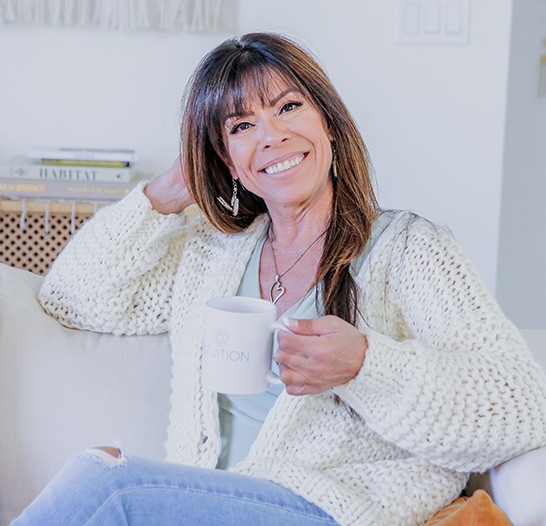
Michelle Beltran is an intuition expert, spiritual teacher, author, performance mindset coach and host of The Intuitive Hour. A former professional cyclist who continues to train and race competitively, Michelle explores the intersection of intuition, awareness, mindset, performance and the intelligence of the body.
recent posts
Some of our clearest communication contains no words. Michelle Beltran reflects on her pony Suzy and canine partner Kilo, sharing a practical way to notice before interpreting.
There is a moment that happens on almost every hard ride. Your legs are burning. Your breathing is heavy. The effort has crossed that invisible line between manageable and uncomfortable….
Okay, real talk: I’ve been watching the sky for a long time, and eclipse season still gives me goosebumps. Every August when eclipse energy rolls in, I get a flood…
Leave a Reply