Perhaps you sensed hesitation about an opportunity. Maybe a conversation left you unsettled. Or you experienced an unexpected thought or impression that seemed important.
When something captures our attention, it’s natural to look for an explanation.
But sometimes, the most useful response isn’t to interpret the feeling immediately.
It’s to pause.
Learning to create space between an impression and your interpretation can be a valuable part of intuitive development.
Why the Pause Matters in Intuitive Development
Our minds are constantly making connections, drawing conclusions, and predicting what might happen next.
This ability helps us navigate everyday life, but it can also lead us to assign meaning to experiences before we’ve fully understood them.
An unexpected sensation might become a warning.
A moment of hesitation might become a reason to abandon an opportunity.
A passing thought might become a certainty.
Yet our first interpretation isn’t always our most accurate one.
The pause allows us to separate what we actually noticed from the story we’re beginning to tell about it.
That distinction is especially useful when exploring intuition.
Rather than trying to force an immediate answer, we can develop the habit of observing our impressions with curiosity and discernment.
Notice First. Interpret Later.
Imagine meeting someone for the first time and experiencing an unexpected feeling of discomfort.
You might be tempted to assume that something is wrong with the person.
But what do you actually know?
You know that you noticed discomfort.
You may not yet know why.
It could relate to something happening in the interaction. It could reflect a previous experience, an expectation, or your own emotional state.
Instead of reaching an immediate conclusion, you can acknowledge the feeling and remain attentive.
Ask yourself:
-
-
What do I know for certain?
-
-
What additional information might help?
This approach doesn’t require you to ignore your feelings. It simply encourages you to treat them as information to consider rather than unquestionable facts.
RELATED: The Quiet Voice Within: Rebuilding Trust in Your Intuition After Self-Doubt
How to Practice the Power of the Pause
Here are three ways to begin.
1. Observe the Original Impression
When something catches your attention, notice what happened before you began interpreting it.
Was there a thought? A physical sensation? A mental image? An emotional response?
If it’s helpful, write it down using simple, descriptive language.
For example:
I noticed tension in my shoulders during that conversation.
That’s different from:
My intuition is telling me this person cannot be trusted.
The first statement records an observation. The second assigns a meaning that may or may not be accurate.
Learning to distinguish the two supports clearer reflection.
2. Give Yourself Time
Not every question needs an immediate answer.
Sometimes a few slow breaths are enough to interrupt an automatic reaction.
Other times, you may benefit from a walk, a quiet evening, or revisiting the situation the following day.
The amount of time matters less than your willingness to create space.
And remember: pausing isn’t the same as avoiding a decision. It’s choosing to approach that decision with greater awareness.
3. Combine Intuition With Discernment
Your impressions can be valuable starting points for reflection.
But important decisions also benefit from evidence, context, and thoughtful consideration.
Ask yourself what supports your interpretation.
Consider whether there are alternative explanations.
And remain willing to revise your understanding as new information becomes available.
Intuitive awareness and critical thinking don’t have to compete.
They can complement one another.
What Cycling and Dance Have Taught Me About Awareness
My work in intuitive development has an interesting connection to another part of my life: movement.
As a former professional cyclist who continues to train and race, I’ve spent countless hours learning how attention affects performance.
During a challenging ride, the mind can become noisy.
It may question your ability, anticipate difficulty, or urge you to react before you’ve fully assessed the situation.
Returning your attention to your breathing, your body, and the road can help you respond to what is actually happening.
Dance offers a similar lesson.
In West Coast Swing, awareness and responsiveness matter. You can’t control every movement in advance. You need to pay attention, adapt, and remain engaged with the moment.
These experiences remind me that presence is something we practice.
And that practice extends far beyond cycling or dancing.
It can influence how we listen, communicate, make decisions, and explore our intuitive experiences.
A Five-Minute Intuitive Awareness Exercise
Try this simple exercise when you have a quiet moment.
Minute 1: Settle. Sit comfortably and take several slow, natural breaths.
Minute 2: Notice. Bring to mind a small, unresolved situation. Observe any thoughts, feelings, or sensations that arise.
Minute 3: Separate. Ask yourself which parts are direct observations and which are interpretations.
Minute 4: Reflect. Consider what you know, what remains uncertain, and whether additional information would be helpful.
Minute 5: Choose. Identify one thoughtful next step. That might be taking action, asking a question, gathering information, or allowing yourself more time.
You don’t need to receive a dramatic insight for the exercise to be useful.
Sometimes the most meaningful result is recognizing that you were about to act on an assumption.
RELATED: Intuition vs. Anxiety: How to Tell the Difference
Clarity Doesn’t Always Arrive on Demand
We often want our intuitive development to provide immediate answers.
But cultivating awareness also means becoming comfortable with uncertainty.
You can notice something without fully understanding it.
You can remain curious without forcing an interpretation.
And you can trust yourself to make thoughtful decisions without needing to feel certain about everything.
The next time you experience a strong impression, remember:
Notice first. Interpret later.
Sometimes the pause is where clarity begins.
🎧 Listen to the accompanied new episode of The Intuitive Hour: The Power of the Pause: How to Recognize Intuitive Guidance Before You React
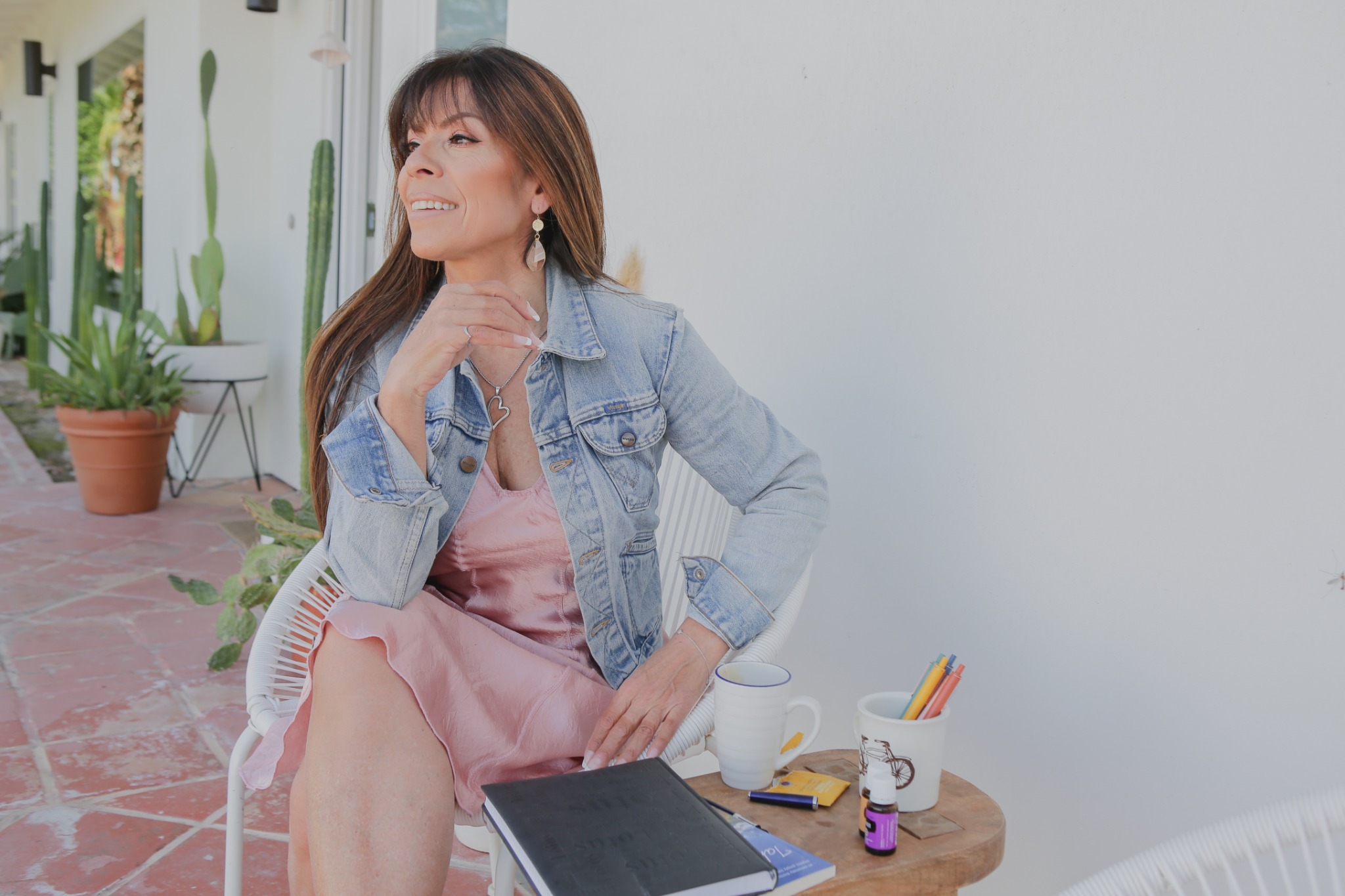
About Michelle Beltran
Michelle Beltran is an intuition educator, author, performance mindset coach, and host of The Intuitive Hour. A former professional cyclist who continues to train and race, she explores the connections between intuitive awareness, mindset, performance, and the intelligence of the body.



Leave a Reply